


What is walkingfloor transport?
You are standing at a discharge location with a fully loaded trailer. The ground is soft. There are ruts in the yard. Indoor unloading is mandatory or there is a low canopy. Tipping is not allowed. Planning is under pressure and every minute counts.
Situations like this occur every day at waste processors, recycling companies and producers of secondary fuels. In many of these cases, walkingfloor transport is the solution.
In this blog you will read:
- what walkingfloor transport is
- how a walkingfloor trailer works
- when to use it and when not to
Table of contents:
- What is a walkingfloor trailer?
- How does a walkingfloor trailer work?
- What is a walkingfloor trailer used for?
- Which walkingfloor system brands are popular?
- What are the advantages of a walkingfloor trailer?
- When do you use something other than a walkingfloor?
- How long does unloading take on average?
- How should a walkingfloor trailer be loaded?
- What does walkingfloor transport cost?
- How safe is walkingfloor transport?
- Maintenance, malfunctions and damage
- What is walkingfloor transport?
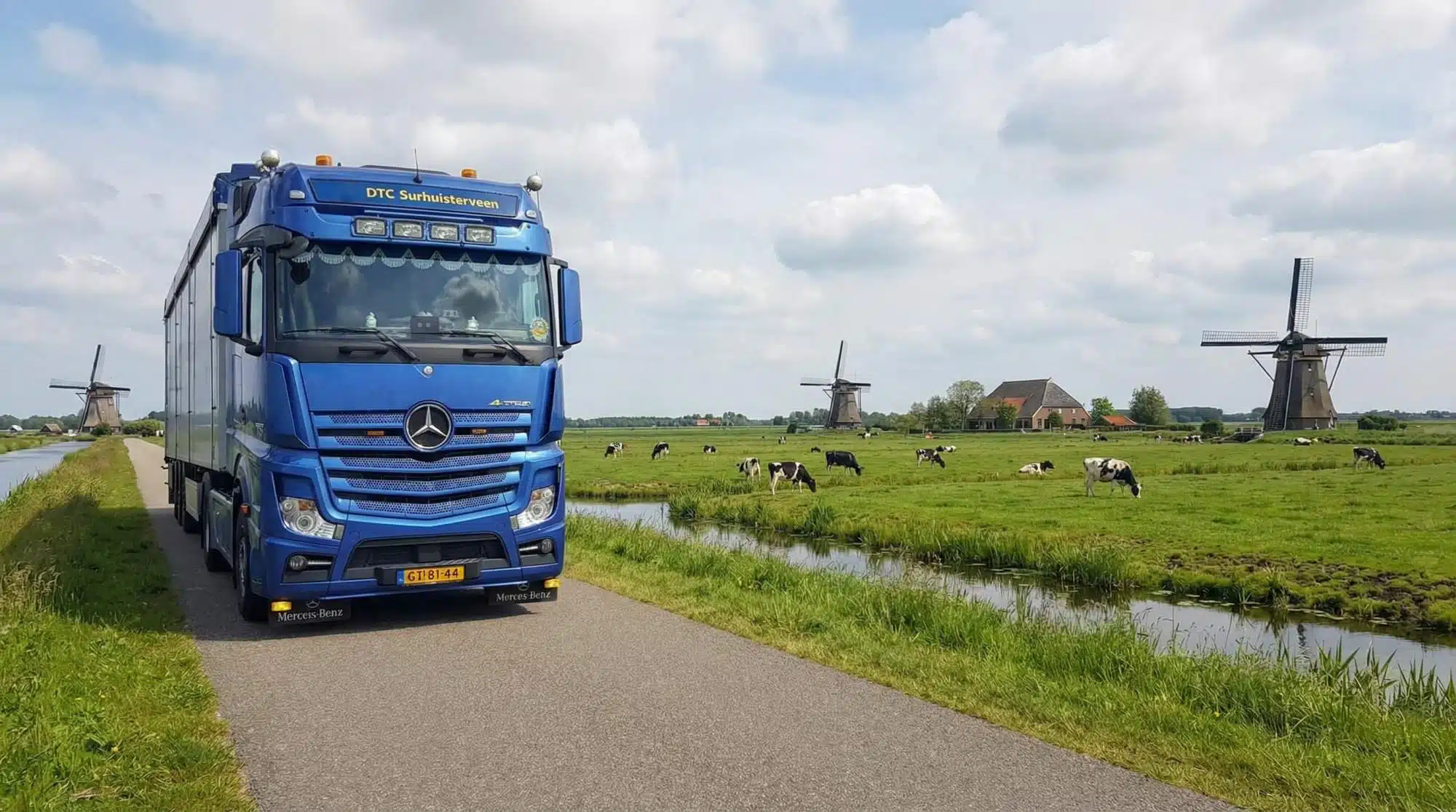
1. What is a walkingfloor trailer?
A walkingfloor trailer is a semi trailer with a hydraulically driven loading floor. This floor consists of several aluminium floor slats that move in a fixed pattern. This movement pushes the load in a controlled way towards the rear.
Why does the trailer not need to tip?
The floor itself unloads the cargo. The trailer remains horizontal. This makes walkingfloor transport suitable for:
- locations with limited height
- soft or uneven ground
- situations with higher safety requirements
Where is walking floor transport used?
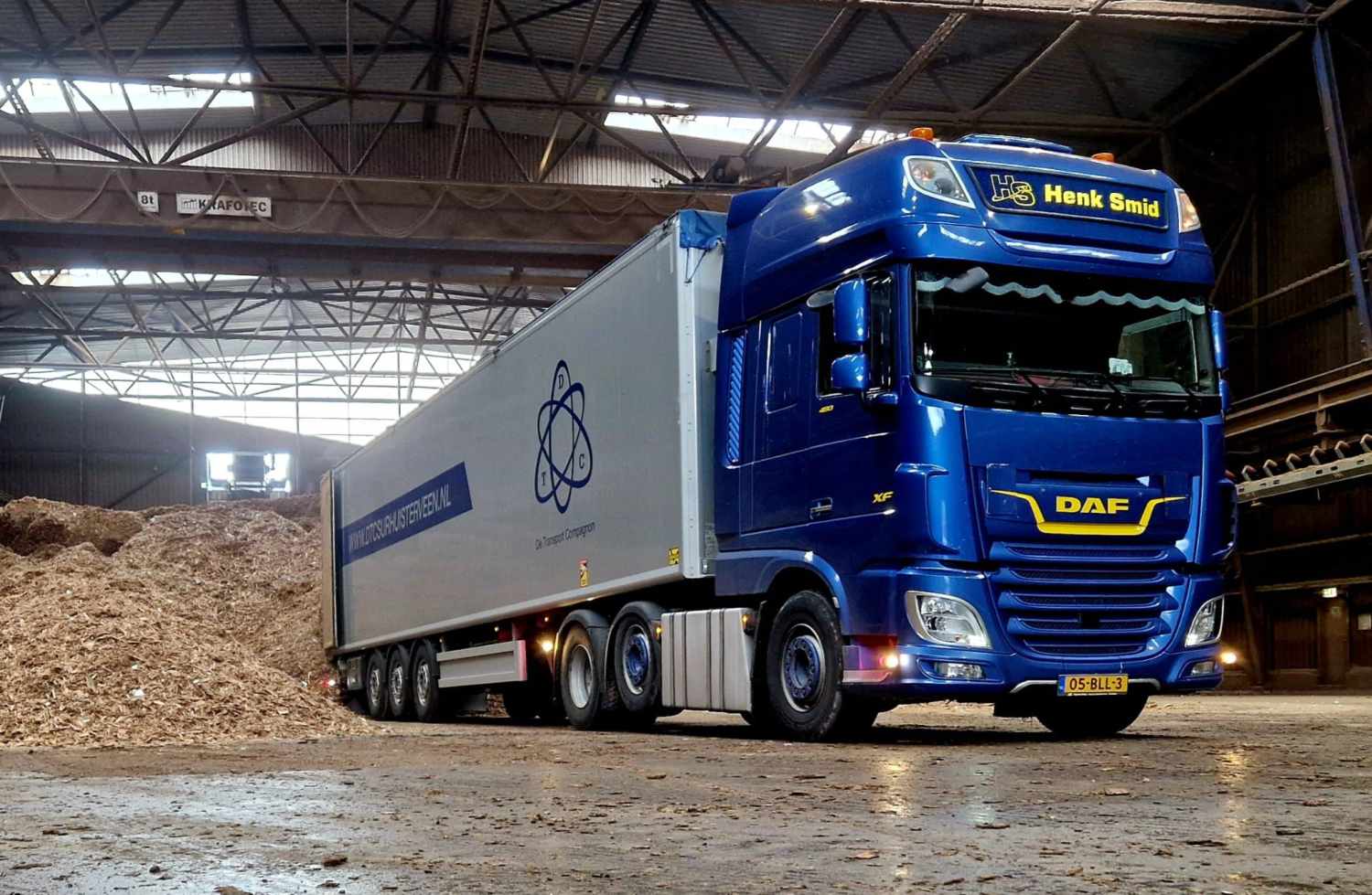
Walkingfloor transport is widely used in the waste and recycling sector, for biomass and for residual streams destined for incineration.
2. How does a walkingfloor trailer work?
The floor consists of three groups of floor slats. First, all slats move backwards together. Then the groups move forward one by one. Two thirds of the floor always remain stationary, so the load does not move back with the slats.
This process repeats until the trailer is empty. The driver operates the system via a remote control or from the cab. The speed is adjusted to the type of material.
In practice, unloading a full trailer takes on average five to fifteen minutes. Dry and light materials unload faster than wet or sticky streams.

3. What is a walkingfloor trailer used for?
Which materials are transported?
Walkingfloor trailers are mainly used for:
- household and industrial waste
- paper and plastic
- biomass such as wood chips
- RDF and SRF
- compost and sorting residues
Why are these materials suitable?
These streams are often voluminous and are unloaded at locations where safety and control are important. Because the trailer does not tip, the risk of instability is lower than with a tipper.
Which goods are most suitable?
Mainly light bulk streams. In these cases, the trailer is usually full by volume before the maximum weight is reached. The higher unladen weight of the trailer is less relevant here.
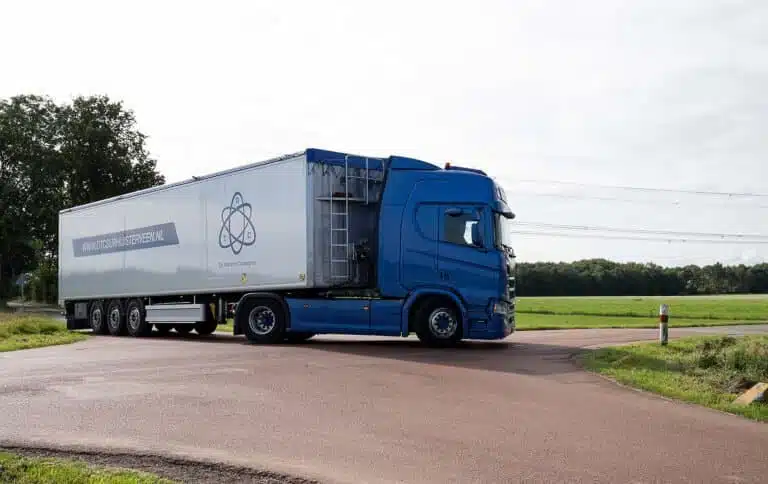
4. Which walkingfloor system brands are popular?
In the Netherlands, trailers are mainly used from:
- Knapen Trailers
- Kraker Trailers
- STAS
Many trailers are equipped with a Cargo Floor system. This system is widely used and spare parts are readily available, which is important for continuity and maintenance.
5. What are the advantages of a walkingfloor trailer?
The main advantages are:
- no tipping risk
- unloading on soft or uneven ground
- suitable for indoor unloading
- controlled and even discharge
- suitable for multiple material types
In practice, this leads to less downtime and fewer incidents at locations where a lot of equipment is operating.
6. When do you use something other than a walkingfloor?
A walkingfloor trailer is versatile, but not always the most logical choice. The type of trailer depends on the material, the weight, the unloading location and the loading and unloading method.
| Type of trailer | When to use | Why not a walkingfloor |
| Walkingfloor | Waste, biomass, RDF, indoor unloading, soft ground | Not required if unloading is straightforward |
| Tipper | Sand, gravel, rubble at a fixed unloading site | Heavier and slower |
| Container | Fixed container transport | No swap function |
| Tautliner | Palletised and general cargo | Unnecessary technology |
When is a tipper more efficient?
A tipper is used for heavy, homogeneous bulk streams such as sand, gravel and rubble. Unloading is fast and the trailer has a low unladen weight. With heavy bulk, a walkingfloor means a loss of payload and time. If height and ground conditions are not an issue, a tipper is more efficient.
When do you choose container transport?
Container trailers are used for fixed container flows that are swapped using a crane or hook system. Walkingfloor transport is designed for direct unloading and therefore does not fit this method.
When is a tautliner the logical choice?
A tautliner is suitable for palletised and general cargo loaded and unloaded with a forklift. In this type of transport, a moving floor has no function.
7. How long does unloading take on average?
Unloading a walkingfloor trailer takes on average five to fifteen minutes. The unloading time depends on:
- type of material
- moisture content
- even distribution of the load
- set unloading speed
8. How should a walkingfloor trailer be loaded?
When loading, it is important to:
- distribute the load evenly
- avoid foreign objects
- avoid loading material that is too wet
- distribute pallets properly
Incorrect loading increases the risk of blockages and damage to the floor slats.

9. What does walkingfloor transport cost?
Walkingfloor transport is on average ten to twenty five percent more expensive than tipper transport over comparable distances. The rate depends on distance, waiting time, unloading location and type of material.
On short trips, the price difference is more noticeable than on longer distances. This is because fixed costs such as maintenance and equipment weigh more heavily.
Walkingfloor transport is often used to prevent delays, damage or safety issues. In those situations, the higher rate is more predictable than the costs of downtime.
Why is the rate higher?
The higher rate is mainly due to:
- higher unladen weight
- more complex technology
- higher maintenance costs
- limited availability
How much payload do you lose?
A walkingfloor trailer has on average one to three tonnes less payload than a tipper.
With light waste streams this is less relevant. With heavy bulk, this difference affects the cost per tonne.
When do the extra costs not pay off?
Walkingfloor transport is often less logical for:
- heavy bulk at fixed unloading sites
- locations without height or safety restrictions
- very short unloading times
10. How safe is walkingfloor transport?
Safety is one of the main reasons for using walkingfloor transport. Especially at unloading locations where conditions are not ideal, this method offers more control than tipping.
Difference compared to tipping
With a tipper, the trailer is raised to unload the cargo. This requires a flat, stable surface and sufficient height. If the ground is soft or sloped, there is a risk of instability. This can lead to tipping, equipment damage or dangerous situations for personnel.
A walkingfloor trailer remains horizontal during unloading. The load is discharged in small, controlled steps. This keeps the centre of gravity low and prevents sudden shifts during unloading. The risk of instability is significantly reduced.
Working on soft ground
At locations such as landfills, temporary transfer sites and wet yards, the ground is often unstable. Ruts, tracks and mud are common. In these situations, tipping is often not allowed or even prohibited.
Walkingfloor transport is better suited because:
- the trailer does not lift
- the load remains evenly distributed
- small corrections are possible during unloading
This does not mean there are no risks, but the risks are more manageable.
Risks at landfills and busy unloading sites
At waste processing sites, multiple machines are often operating at the same time, such as loaders, cranes and compactors. Visibility is limited and ground conditions change constantly.
Specific risks to consider include:
- crossing traffic during unloading
- limited sightlines for drivers
- ruts and subsidence that appear suddenly
- mud reducing traction
Because a walkingfloor unloads in a controlled way and does not tip, the driver can often better anticipate these conditions. Clear coordination with the unloading site remains essential.
Manual removal of residual load
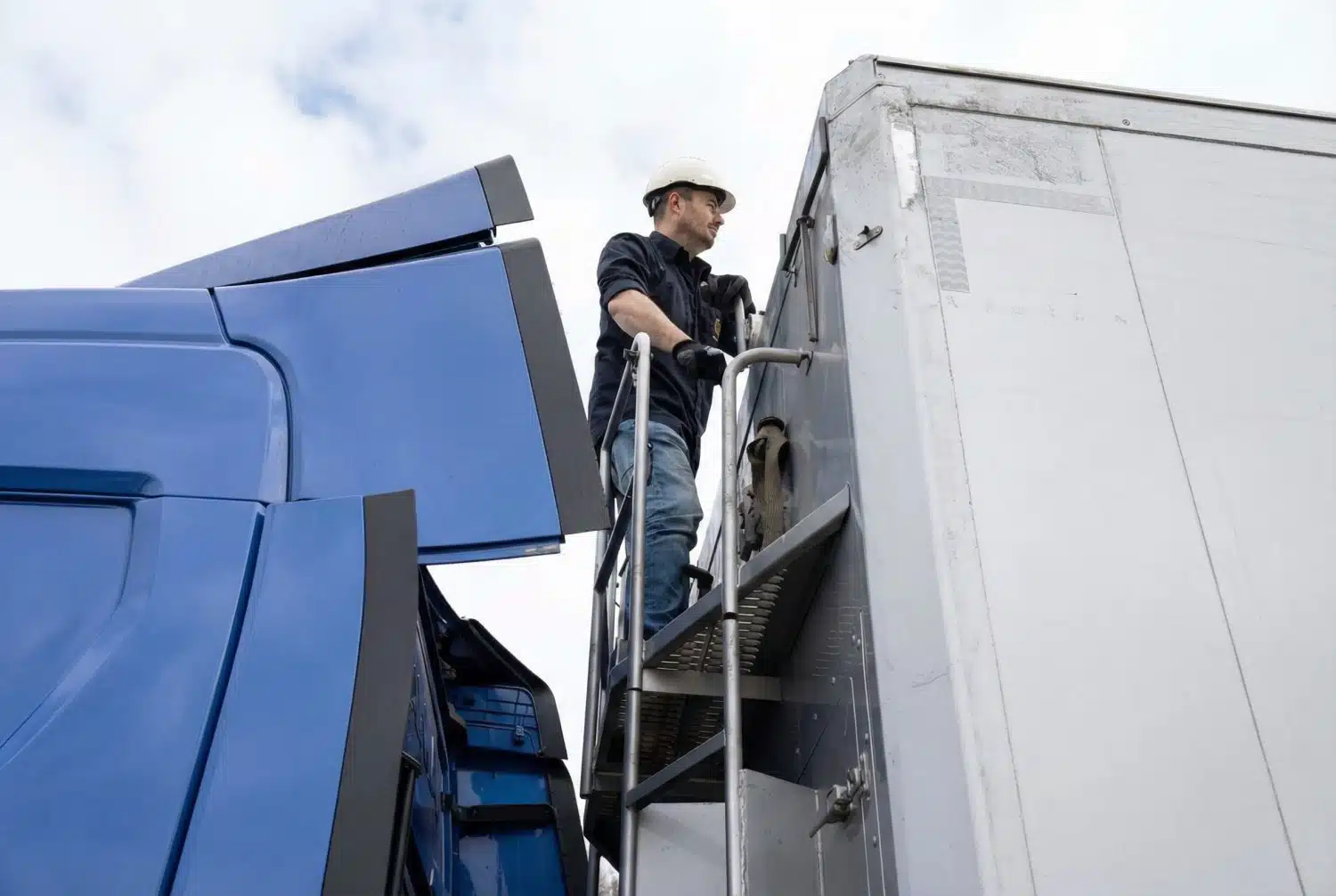
With wet or sticky materials, some cargo may not discharge automatically. Manual clean up always involves risks, regardless of trailer type.
Key points of attention:
- switch off engine and hydraulics
- never work between moving parts
- do not use heavy equipment directly on the floor
Walkingfloor transport reduces risk but does not eliminate it. Safe working depends on clear agreements and discipline at the unloading site.
11. Maintenance, malfunctions and damage
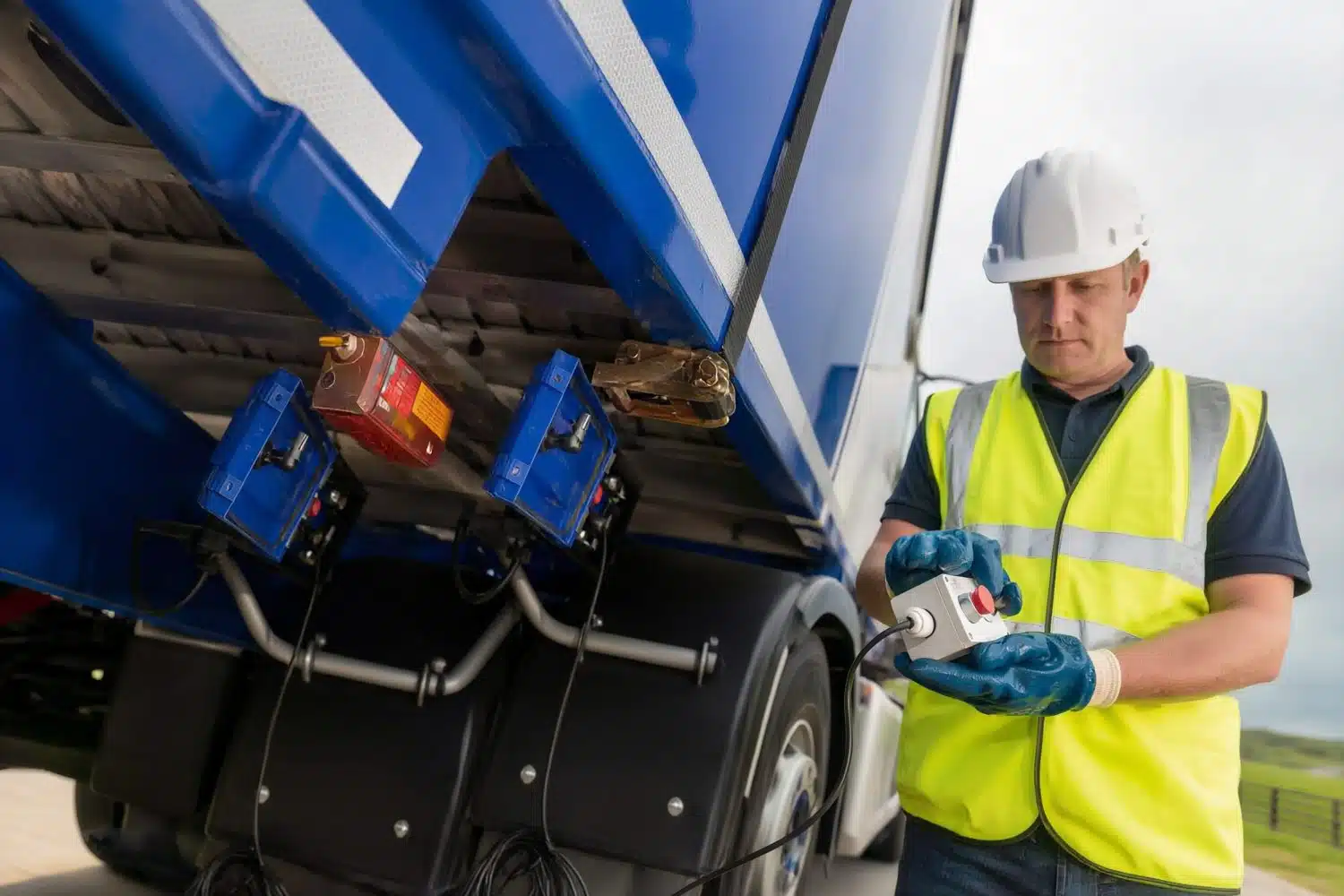
A walkingfloor trailer is technically more complex than a tipper or tautliner. This means maintenance and correct use play a larger role in reliability and service life. Problems rarely occur suddenly. They usually build up step by step.
What malfunctions occur most often?
The most common issues with walkingfloor trailers are:
- hydraulic leakage at hoses, couplings or cylinders
- contamination under the floor slats
- wear or damage to the floor slats
Why is contamination under the floor a risk?
Dirt increases resistance on the floor. Consequences include:
- heavier floor movement
- longer unloading times
- increased load on the hydraulic system
- higher risk of jamming
Regular cleaning, especially after wet or contaminating loads, helps limit these issues and prevents unnecessary wear.
Damage to floor slats
Floor slats are strong, but not designed for sharp or heavy foreign objects. Stones, metal or hard items in waste streams can damage the floor.
Damage often results from:
- insufficient load checks during loading
- mixed streams with unexpected materials
- uneven weight distribution
A damaged floor slat can cause uneven movement and increases the risk of further damage to the system.
What usually causes damage?
In practice, damage is more often caused by use than by technology. Common causes include:
- uneven loading
- material that is too wet or sticky
- foreign objects in the load
- insufficient cleaning between trips
These mistakes may seem minor but have a major impact on malfunctions, maintenance costs and downtime.
Why is preventive maintenance important?
Preventive maintenance not only prevents malfunctions but also extends the service life of the trailer. Regular inspection of hydraulics, floor slats and fixings is not optional but a requirement for reliable operation.
With intensive use in waste and recycling, preventive maintenance is almost always cheaper than repairs afterwards. Downtime at an unloading site often costs more than the maintenance itself.
12. What is walkingfloor transport?
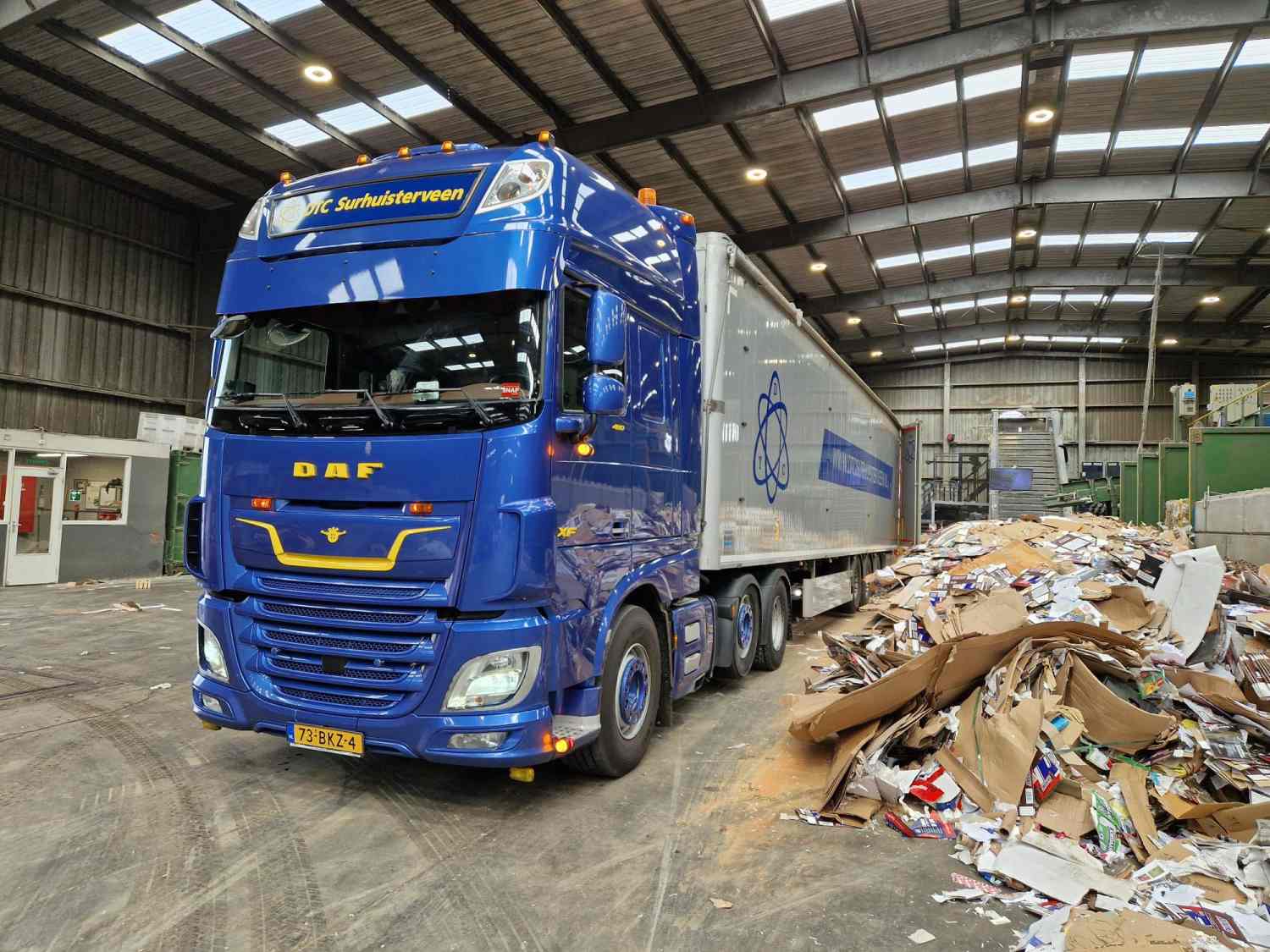
Walkingfloor transport is goods transport using a trailer with a hydraulically driven floor to load and unload cargo horizontally. The moving floor discharges the material in a controlled way, without the trailer needing to tip.
This type of transport is suitable for situations with limited height, soft ground or higher safety requirements. That is why walkingfloor transport is widely used in the waste and recycling sector, for biomass and for secondary fuels.
It is not a solution for every type of load, but within the right application it is a safe and reliable transport method.