


Everything about permits in the transport sector
You have a load of waste, soil, pallets or agricultural bulk goods ready for transport. A carrier needs to collect it. But can you simply trust any transport company? If the required permits and registrations are not in order, you as the client may also face problems. A fine, a delayed or stopped shipment, or problems during an inspection by the Human Environment and Transport Inspectorate are risks you want to avoid.
In this blog, you will read which permits and registrations transport companies may need. We focus on the transport of waste, soil, pallets and agricultural products.
In short:
- Professional road haulage in the Netherlands requires a Community transport licence (Eurolicence) when the vehicle or combination has a payload of more than 500 kilograms or a maximum authorised mass of more than 2,500 kilograms.
- Companies that professionally transport waste in the Netherlands generally also need a VIHB registration.
- For cross-border waste shipments, the European Waste Shipment Regulation (EWSR) applies.
- If soil or pallets are classified as waste, additional waste transport rules may apply.
- For agricultural bulk goods intended for the animal feed chain, GMP+ certification can play an important role.
Below, we explain what these permits, registrations and rules mean and why they are also important to you as a client.
Which permit does a professional road carrier need?
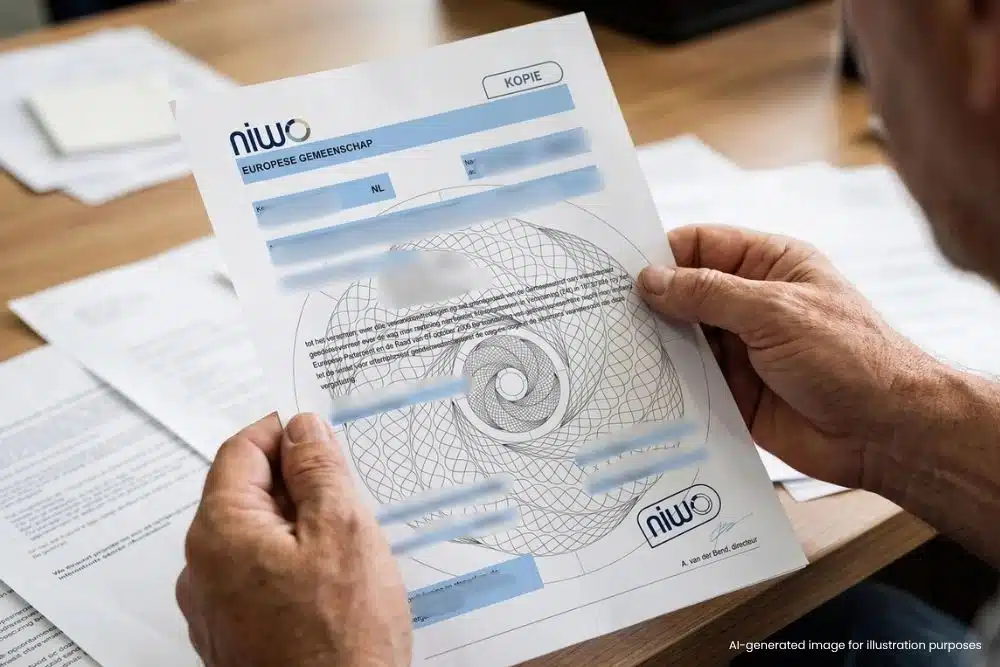
Companies that transport goods by road for third parties in return for payment need a Community transport licence (Eurolicence) when using a vehicle or combination of vehicles with a payload of more than 500 kilograms or a maximum authorised mass of more than 2,500 kilograms.
The NIWO (National and International Road Transport Organisation) issues the Dutch Eurolicence. Companies must meet requirements regarding a genuine and stable establishment, professional competence, sufficient financial standing and good repute.
The Eurolicence is valid for five years and must then be renewed. If you work with a professional road carrier, it is worth checking whether the company holds a valid licence.
Which registration is required for waste transport?
VIHB is the Dutch abbreviation for Vervoerder, Inzamelaar, Handelaar en Bemiddelaar. In English, these activities are referred to as Transporter, Collector, Dealer and Broker.
Companies that professionally transport or collect industrial or hazardous waste in the Netherlands must be registered on the national VIHB list. The registration requirements also apply to foreign companies carrying out these activities in the Netherlands.
When a carrier needs a VIHB registration, the relevant VIHB number must be included on the waste accompanying document. For transport or collection activities, a copy of the VIHB certificate issued by NIWO with the word "KOPIE" must also be present in the vehicle. Transport companies are not permitted to produce these copies themselves.
Why should you check the carrier as a client?
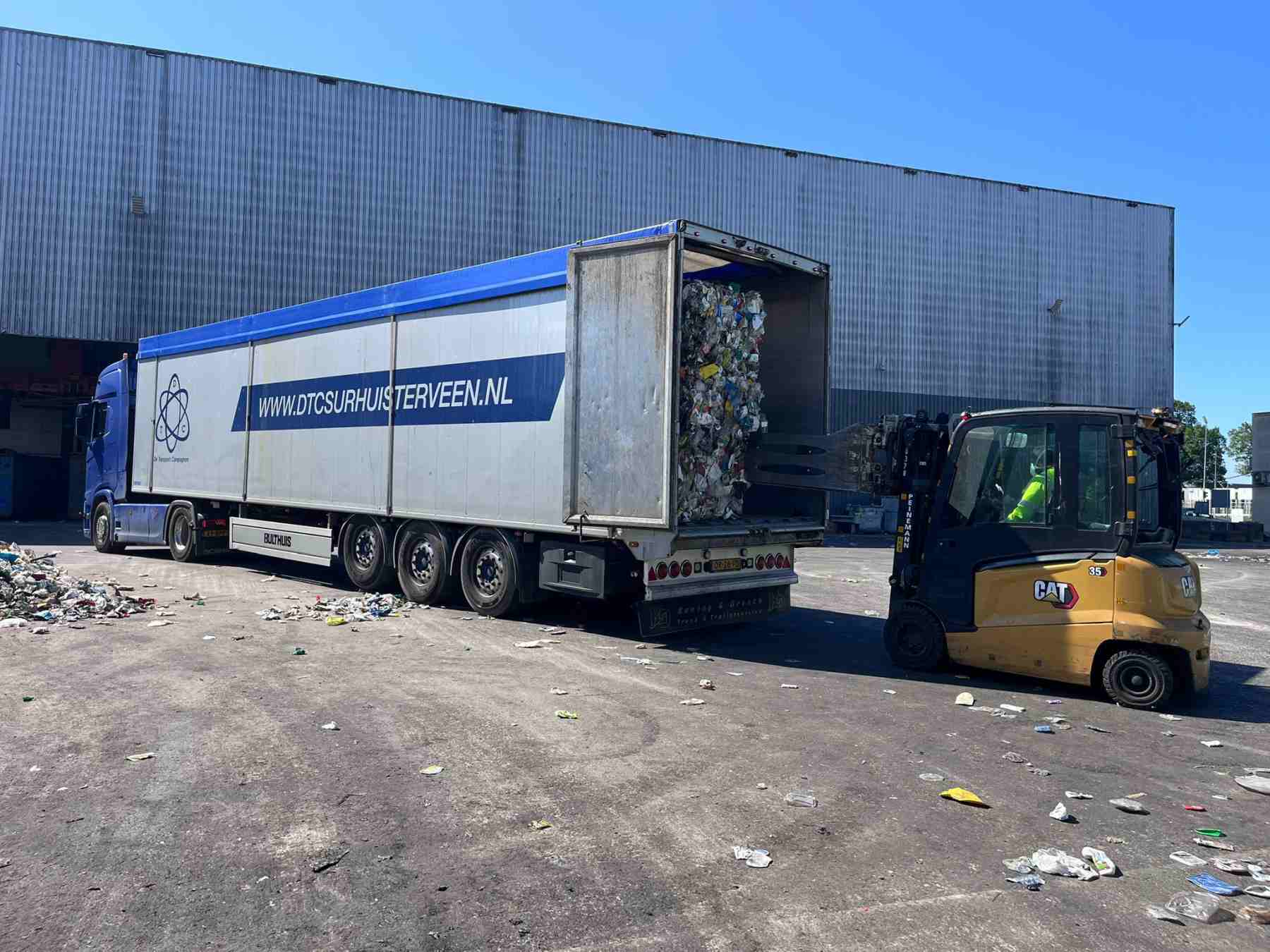
Waste transport involves obligations for several parties in the chain. The waste producer or holder, the carrier and the receiving company each have their own responsibilities. For waste transported in the Netherlands, an accompanying document is generally required, and the carrier must have the registrations required for the transport.
Before handing waste over for transport, it is therefore important to check whether the carrier is registered on the VIHB list when a VIHB registration is required. This reduces the risk of problems during an inspection and helps prevent delays in the waste chain.
Which rules apply to cross-border waste shipments?
When waste crosses national borders, the European Waste Shipment Regulation (EWSR) applies.
Green List waste intended for recovery can, when the conditions of Article 18 of the EWSR are met, be shipped under the information requirements for Green List waste. The shipment must be accompanied by the appropriate Annex VII document.
Since 21 May 2026, additional requirements apply to Annex VII shipments. Among other things, the person arranging the shipment must check whether the recovery facility has the permit or registration required under the applicable waste legislation. A new Annex VII form and a contract that complies with Regulation (EU) 2024/1157 must also be used.
Other waste shipments may fall under the prior notification and consent procedure. For these shipments, the competent authorities involved must give their consent before the shipment can take place.
Since 21 May 2026, notifications and transport notifications that fall under the notification procedure are handled through the Digital Waste Shipment System (DIWASS). Mandatory digital reporting of Annex VII shipments through DIWASS has been postponed until 1 January 2027. Until then, the existing reporting procedure for these shipments remains in place. From 1 January 2027, an Annex VII shipment must be reported digitally before transport in accordance with the applicable DIWASS rules.
Do these rules also apply to soil, pallets and agricultural bulk goods?
There is no separate road transport licence specifically for soil. Whether soil is legally classified as waste depends on the circumstances. Its origin, intended use and the applicable waste legislation all play a role.
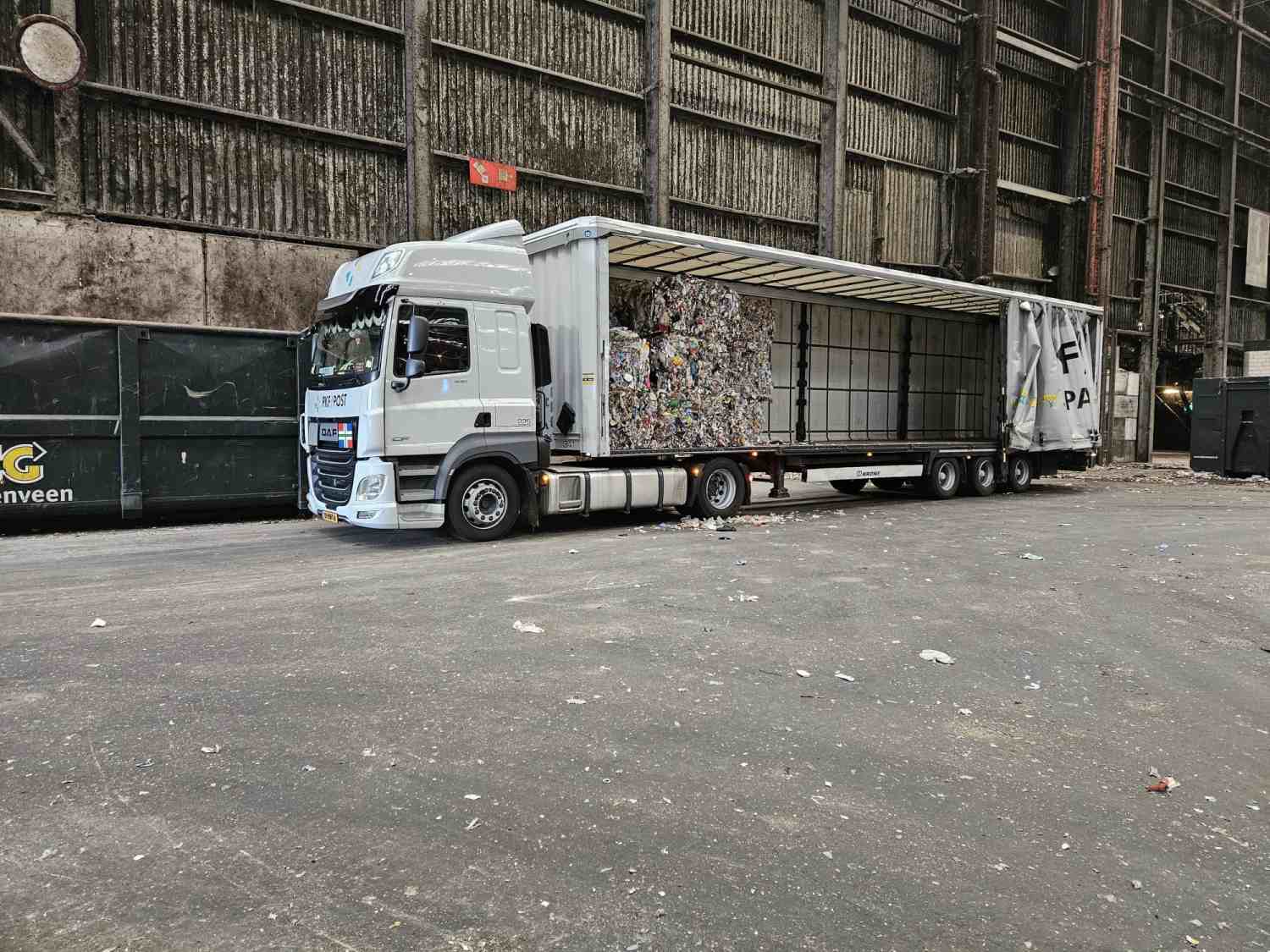
During transport on public roads, soil or dredged material is in many cases regarded as waste. This can also apply to reusable or clean soil. If soil is transported as waste in the Netherlands, the rules for waste transport apply. A transport accompanying document is generally required, and professional transporters of waste must in almost all cases be registered on the VIHB list. Depending on the situation, additional rules may apply to excavation, storage or application of the soil. More information is available from the Dutch Business Portal.
For pallets, the legal status of the load is also important. New pallets and pallets that remain products are transported under the normal rules for road haulage. If discarded pallets are classified as waste wood, the rules for waste transport apply and the carrier may need a VIHB registration.
For agricultural bulk goods intended for the animal feed chain, GMP+ certification can play an important role. GMP+ is not a statutory road transport permit. It is an internationally recognised certification scheme for feed safety. Certified transport companies must comply with requirements covering matters such as previous loads, cleaning procedures and the cleanliness of loading compartments. Clients in the animal feed sector may require their carriers to be GMP+ certified.
How do you check whether a carrier has the correct permits and registrations?
When working with a new waste carrier in the Netherlands, check the company's VIHB number in the NIWO VIHB register. For professional road haulage, you can also ask the carrier to provide evidence of a valid Eurolicence.
For international waste shipments, ask which types of waste and countries the carrier works with and whether it has experience with the applicable EWSR procedures, Annex VII documentation and DIWASS. International waste transport can involve different registrations, notifications and authorisations depending on the waste stream, destination and type of shipment.
Which permits and registrations does DTC have?
At DTC De Transportcompagnon, we have been providing national and international transport since 2009, including waste, recycling materials and secondary fuels. For waste transport in the Netherlands, we are registered on the national VIHB list and we hold a valid Eurolicence.
For international waste transport, we work with the applicable waste shipment procedures and the required documentation. DTC has experience with waste transport to countries including Belgium, Germany, England, Denmark, Sweden, Luxembourg, Poland and Austria. Depending on the destination and waste stream, the relevant registrations, notifications and authorisations are used.
We carry out these transports with equipment including our walkingfloor trailers, container trucks and tautliners.
Frequently asked questions about permits in the transport sector
What is the difference between a Eurolicence and VIHB registration?
A Eurolicence is the road haulage licence required for professional carriage of goods by road when the relevant vehicle weight or payload thresholds are exceeded. VIHB registration is a separate Dutch registration for companies that professionally transport, collect, deal in or broker industrial or hazardous waste.
Do I also need a transport permit as the client?
Hiring a carrier does not automatically mean that you need a Eurolicence yourself. If you are the waste producer, holder or another party in the waste chain, you may have separate obligations under waste legislation. These depend on your role and the type of waste shipment.
Does VIHB registration also apply to soil and pallets?
It depends on whether the material is legally classified as waste. Soil can also be regarded as waste during transport when it is clean or intended for reuse. Discarded pallets classified as waste wood also fall under waste legislation. When waste is professionally transported in the Netherlands, a VIHB registration is generally required for the carrier.
Is GMP+ certification mandatory?
GMP+ is not a statutory road transport permit. It is a certification scheme for feed safety. Companies operating in the animal feed chain may require transport to be carried out by a GMP+ certified carrier.